

Short-term or long-term rental – which is more profitable?
24.03.2026, Nicola Stoyanov Jr.
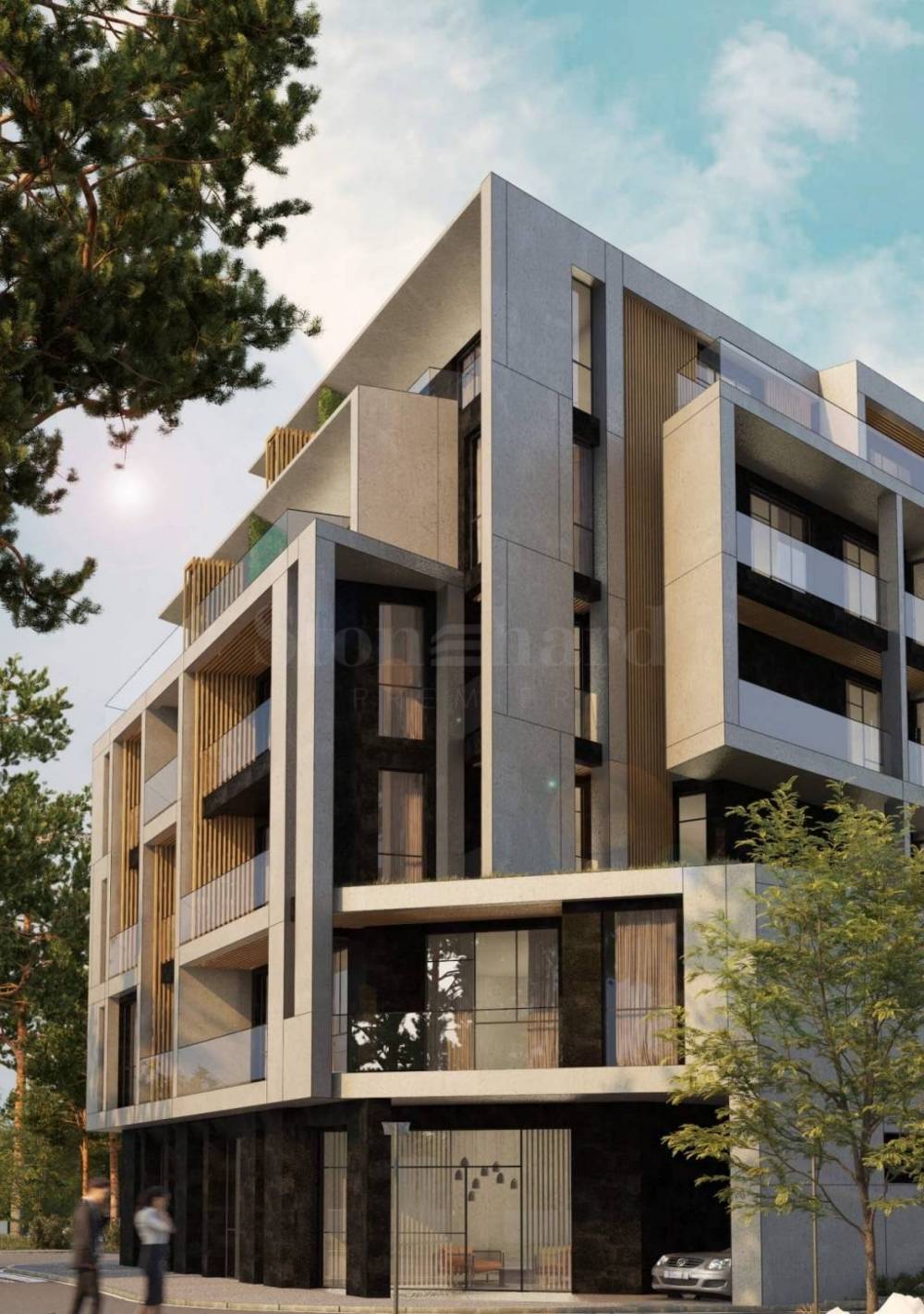
The choice between short-term and long-term rental depends on your investment goals, the characteristics of the property, and the level of commitment you are willing to undertake. Short-term rental can provide higher returns but requires active management, while long-term rental offers stable and predictable income with lower operational risk.
What are the two rental models?
To make an informed decision, it is important to clearly distinguish the two approaches, as they differ both in structure and daily involvement.
Key differences in duration and tenant types
Short-term rental covers stays from a few days to several weeks and is aimed at tourists, business visitors, or people with temporary accommodation needs. In this model, the property functions more like a service.
Long-term rental involves contracts usually lasting from 6 to 12 months or more. In this case, the property becomes the tenant's primary residence, implying more stable relationships and less turnover.
How do they work in practice?
In practice, the differences between the two models manifest in management style, rental channels, and level of involvement. Short-term rental is conducted through international platforms and requires constant communication, while long-term rental is based on contractual relationships and limited interaction.
This leads to a significant difference – the first model is dynamic and active, while the second is structured and predictable.
What returns can you expect?
Returns are a leading factor in the choice, but actual profit depends on many interconnected elements.
Income from short-term rental
Short-term rental allows for higher daily rates, especially in active locations with tourist or business flow. With proper management, this can lead to significantly higher gross income.
At the same time, income directly depends on the occupancy of the property. Even short periods without tenants can seriously affect annual returns.
Income from long-term rental
In the long-term model, income is fixed and predictable. This allows clear financial planning and minimizes the risk of missed income.
Although the monthly income is usually lower, stability often compensates for the difference, especially in more conservative investment strategies.
Realistic comparison
When comparing the two models, it is important to consider not only income but also expenses and time invested. In many cases, the higher gross income from short-term rental is offset by operational costs and involvement.
The choice should be based on a realistic assessment of net profitability, not just potential income.
What are the advantages and risks of short-term rental?
This model is preferred by investors seeking higher returns and willing to actively manage the property.
What are the key advantages of short-term rental?
Its main advantages are:
-
higher daily rates and potential for better returns;
-
flexibility in using the property for personal purposes;
-
ability to dynamically price according to demand;
-
more frequent control over the property's condition.
Short-term rental allows revenue optimization but requires constant involvement and good organization.
Risks of short-term rental
Despite the potential returns, this model carries several challenges that should not be underestimated.
The main risks include:
-
seasonality and fluctuations in occupancy;
-
higher costs for maintenance, cleaning, and consumables;
-
faster wear and tear of furnishings;
-
administrative and regulatory requirements.
As a result, short-term rental requires systematic control and management, bringing it closer to an active business model.
Main advantages and limitations of long-term rental
Long-term rental is suitable for investors seeking stability and lower levels of involvement.
Advantages of long-term rental
It stands out with several key advantages:
-
Stable and predictable income
Provides fixed monthly income, facilitating financial planning.
-
Lower management costs
No need for daily coordination and property servicing.
-
Less wear and tear on the property
Lower tenant turnover leads to slower depreciation.
-
Lower risk
The risk of vacancy periods is significantly lower compared to the short-term model.
This approach is especially suitable when you seek sustainable and predictable income over time.
Disadvantages of long-term rental
Long-term rental offers stability and predictability but has some features that are important to consider when making an investment decision:
-
lower returns compared to the short-term model;
-
more difficult to change rental price in the short term;
-
risk of unreliable tenants;
-
limited control over the property during the contract.
Long-term rental provides peace of mind and predictability but should be aligned with your return goals and the level of control you wish to maintain over the property.
How to choose the right strategy?
The choice between the two models should not be random but based on specific factors that determine real profitability.
To make the right decision, analyze the following elements:
-
Property location
Central and attractive areas are more suitable for short-term rental, while residential neighborhoods are better for long-term.
-
Type and quality of the property
Higher-class properties perform better in the short-term segment.
-
Your time and involvement
If you do not have time for management, the long-term model is more suitable.
-
Investment goal
Are you looking for maximum returns or stable passive income?
-
Market environment
Competition and demand in the area directly influence the choice.
Once you consider these factors, the choice between the two models becomes much clearer and more justified.
Key conclusions
-
Short-term rental offers higher returns but requires active management.
-
Long-term rental provides stable and predictable income.
-
Location and property quality are key success factors.
-
Actual profit depends on expenses, not just income.
-
The right choice starts with selecting the investment property.
Ultimately, the most profitable model is the one that matches your goals, capabilities, and development strategy.
Frequently asked questions
-
Can returns change over time?
Yes, they depend on the market environment, demand, and area development.
-
How does furnishing affect short-term rental?
Quality furnishing increases the price and occupancy of the property.
-
Which model is more suitable for passive income?
Long-term rental is closer to a passive investment.
© 2016-2026 Stonehard Marketing Ltd. All rights reserved.
STONEHARD™ and the logo are registered trademarks. All text, graphics and visualization materials on the site are our property or the property of our partners, and are subject to copyright, protected by the Law of the Republic of Bulgaria and the European Union. Their use by third parties is prohibited, except with our express written consent.
This website is operated by Stonehard Marketing Ltd, a company registered in Bulgaria (EU), VAT#BG131254299.
This website aims to present and promote new property development projects under construction, as well as individual units in newly completed buildings or residential complexes offered for sale. While our partners make every effort to ensure that the information provided is accurate and up to date, certain details may change or may not be fully accurate due to the dynamic nature of the new-build property market and ongoing construction processes.
For the most reliable and current information, please refer to official email communication with our partnering local real estate agencies by submitting an enquiry via the contact forms available on each listing. Our local partner agents will provide professional consultations to clients and investors interested in purchasing units in new-build developments or newly built resale properties featured on this website.
Subscribe to our newsletter
Follow us on social networks


Our contacts:
Office address:
Realtons Place
51G Cherni Vrah Boulevard, 7th Floor
Sofia 1407, Bulgaria
Working Hours (Central European Time):
Monday–Friday: 10:00 – 18:00 (CET)
Weekends and Public Holidays: Closed