

What are the rights and obligations of the landlord in Bulgaria?
11.03.2026, Nicola Stoyanov Jr.
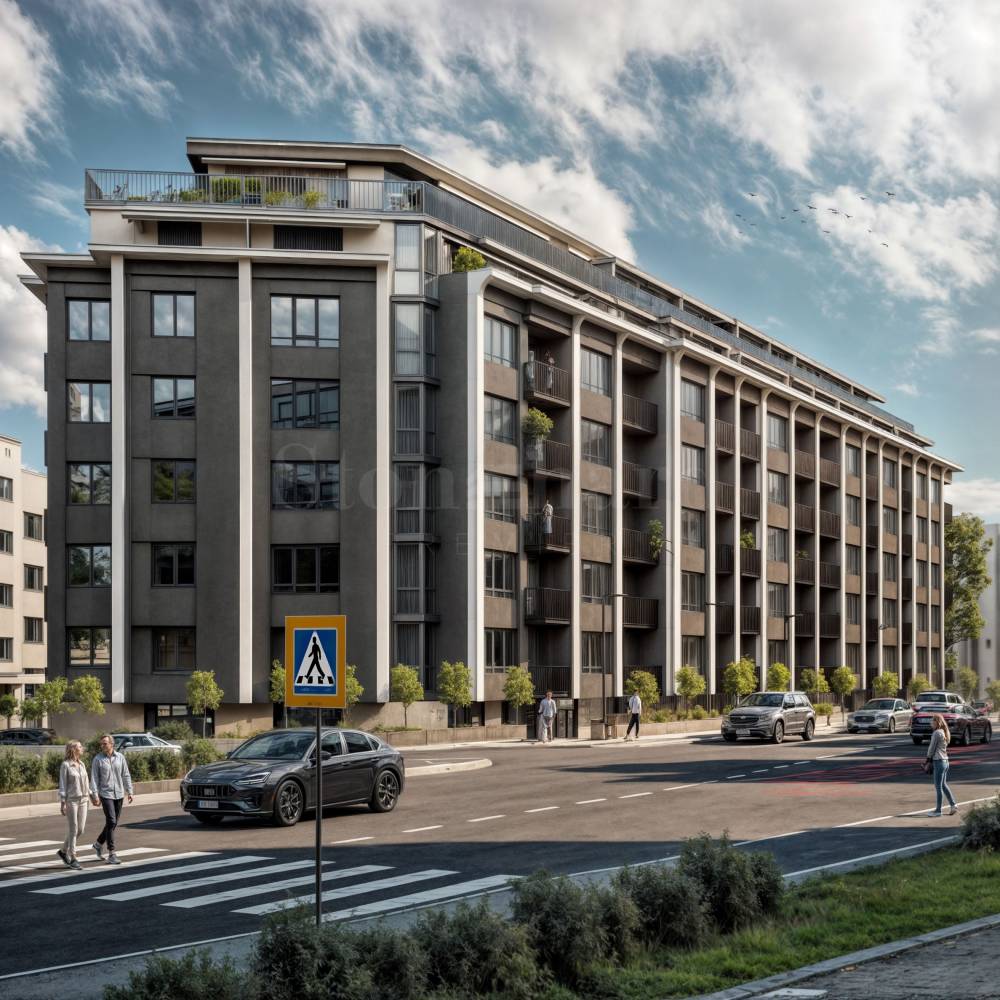
Renting out a property in Bulgaria is a process that requires a clear understanding of the legal framework and careful management of the relationship with the tenant. The main rules are regulated by the Obligations and Contracts Act (OCA), and their proper application guarantees investment security, stable income, and long-term predictability.
What does it mean to be a landlord?
The landlord is the owner who provides their property for temporary use in exchange for compensation. You retain ownership rights but transfer the right of use under agreed conditions.
Similar to investments in newly built properties, success here depends on proper judgment – but in this case, management is a continuous process that requires control and adaptability over time.
What are the main rights of the landlord?
The landlord's rights are the primary tool for protecting the investment and maintaining control over the property.
In practice, the most important of these can be summarized as follows:
-
Right to receive rent
You have the right to receive the agreed rent on time and in the agreed manner. In case of delay, you may seek compensation or terminate the contract if such a clause exists.
-
Right to a security deposit
Typically, the deposit on the market is equal to one month's rent. It serves as financial protection against damages or unpaid obligations.
-
Right to demand care for the property
The tenant must use the property as a "good steward," which includes maintenance and timely notification of problems.
-
Right to set rules for use
You can impose restrictions and conditions that protect the property and create clarity in the relationship.
These rights allow you to structure the relationship from the beginning and avoid future conflicts.
What are the landlord's obligations?
For the relationship to be sustainable, rights must be balanced with corresponding obligations.
The landlord is obliged to ensure normal and peaceful use of the property. This means that after signing the contract, you cannot violate the tenant's personal space without prior arrangement.
Additionally, it is your responsibility to maintain the property in a condition suitable for use. Major repairs not caused by the tenant remain the owner's responsibility. This includes structural issues, installations, and other essential elements.
Furthermore, if claims arise from third parties regarding the property, you must protect the tenant's right of use.
When these obligations are properly fulfilled, the risk of disputes significantly decreases, and trust between the parties strengthens.
What should a well-structured rental contract look like?
The contract is the most important document in the relationship between landlord and tenant. It sets the rules and serves as a basis in case of disputes.
To be effective, it should cover several key elements:
-
clear description of the parties and the property;
-
rent amount, deadlines, and payment method;
-
termination conditions and penalties;
-
handover protocol with the condition of the property.
It is especially important that the protocol is detailed and, if possible, supported by photographic material. This is practical protection against future disagreements.
How are rental incomes taxed?
Financial management of the property is an essential part of its profitability.
Rental income is subject to taxation, with the law providing a 10% standard expense deduction for individuals. This means the actual tax base is reduced, which positively affects the final profitability.
Depending on whether the tenant is an individual or a legal entity, the declaration method may differ. Regardless, compliance with deadlines and rules is mandatory.
Proper tax planning is an important part of a long-term investment strategy.
How does contract termination proceed?
The end of the rental relationship is a moment that requires special attention, as disputes most often arise then.
Upon vacating the property, a final inspection is conducted, comparing the current condition with that in the handover protocol. Based on this, it is determined whether there are grounds for withholding the deposit.
The deposit is most commonly used for:
-
unpaid bills;
-
damages to the property or furnishings;
-
the need to restore the original condition.
The usual period for returning the deposit is between 7 and 14 days, as time is needed to clear all current obligations.
How to minimize risk as a landlord?
To make renting a stable investment, a strategic and consistent approach is necessary.
The most effective approach includes several key principles:
-
Clear and complete documentation
Contracts and protocols create security and predictability.
-
Regular property control
Periodic inspections help maintain the property's condition.
-
Financial discipline
Clear payment terms guarantee stable income.
When these elements are applied systematically, renting becomes a well-managed and sustainable source of income.
A successful landlord relies on clear rules, discipline, and informed decisions. Thus, the investment in property not only preserves its value but also increases it over time.
Frequently Asked Questions
-
Can I increase the rent during an active contract?
Only if this is explicitly provided as a clause in the contract.
-
Do I need to insure the property I rent out?
It is not mandatory but highly recommended for protection against damages and risks.
-
What happens if the property is sold during an active rental contract?
The new owner assumes the rights and obligations under the existing contract.
© 2016-2026 Stonehard Marketing Ltd. All rights reserved.
STONEHARD™ and the logo are registered trademarks. All text, graphics and visualization materials on the site are our property or the property of our partners, and are subject to copyright, protected by the Law of the Republic of Bulgaria and the European Union. Their use by third parties is prohibited, except with our express written consent.
This website is operated by Stonehard Marketing Ltd, a company registered in Bulgaria (EU), VAT#BG131254299.
This website aims to present and promote new property development projects under construction, as well as individual units in newly completed buildings or residential complexes offered for sale. While our partners make every effort to ensure that the information provided is accurate and up to date, certain details may change or may not be fully accurate due to the dynamic nature of the new-build property market and ongoing construction processes.
For the most reliable and current information, please refer to official email communication with our partnering local real estate agencies by submitting an enquiry via the contact forms available on each listing. Our local partner agents will provide professional consultations to clients and investors interested in purchasing units in new-build developments or newly built resale properties featured on this website.
Subscribe to our newsletter
Follow us on social networks


Our contacts:
Office address:
Realtons Place
51G Cherni Vrah Boulevard, 7th Floor
Sofia 1407, Bulgaria
Working Hours (Central European Time):
Monday–Friday: 10:00 – 18:00 (CET)
Weekends and Public Holidays: Closed