

A look into the future: what Dubai will look like after 15 years or the Dubai 2040 plan
05.03.2026, from the Stonehard Team
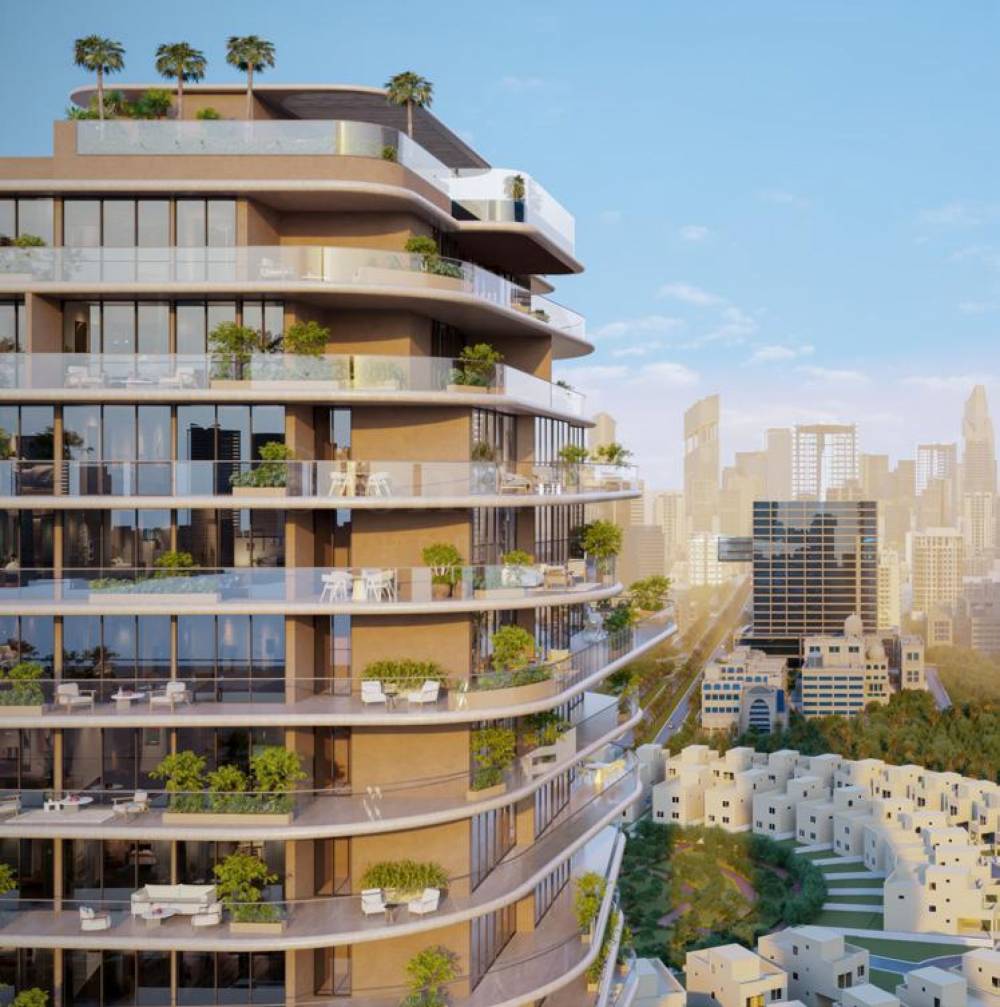
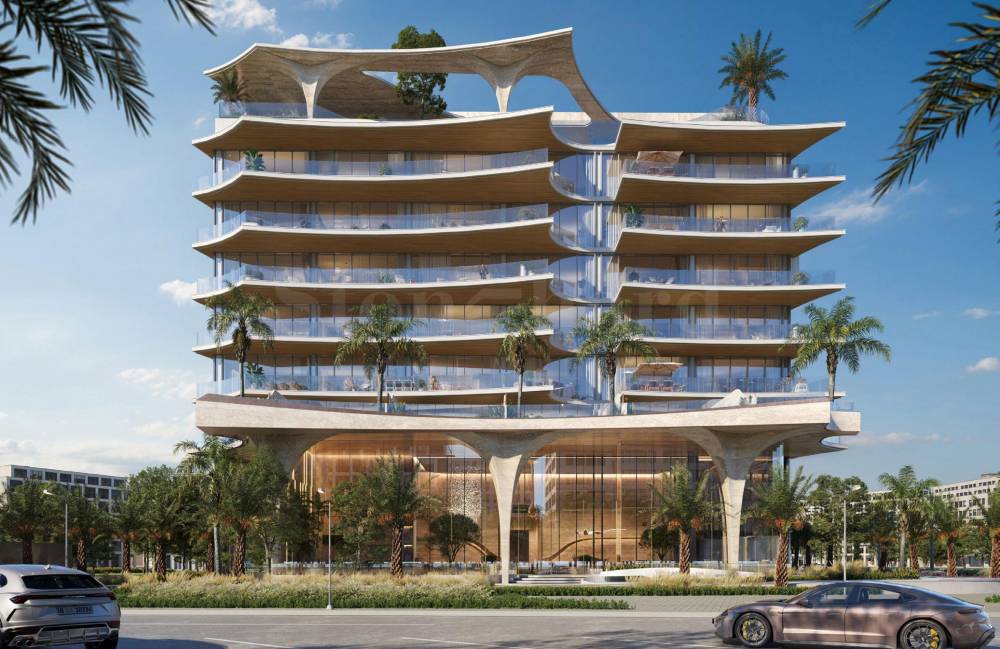
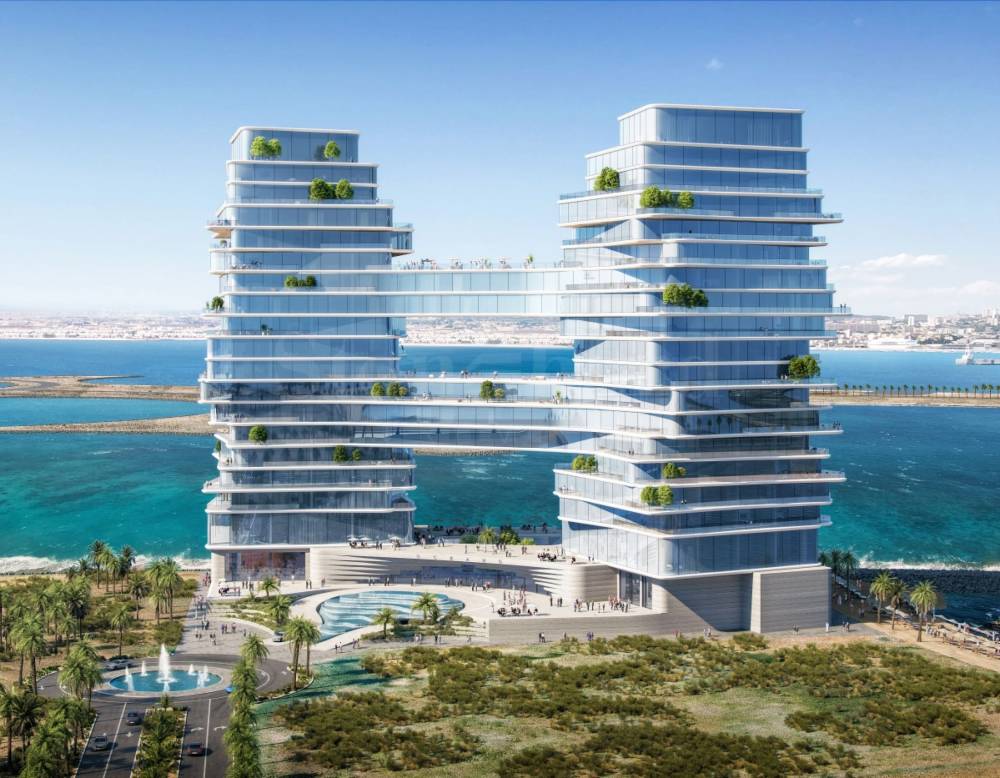
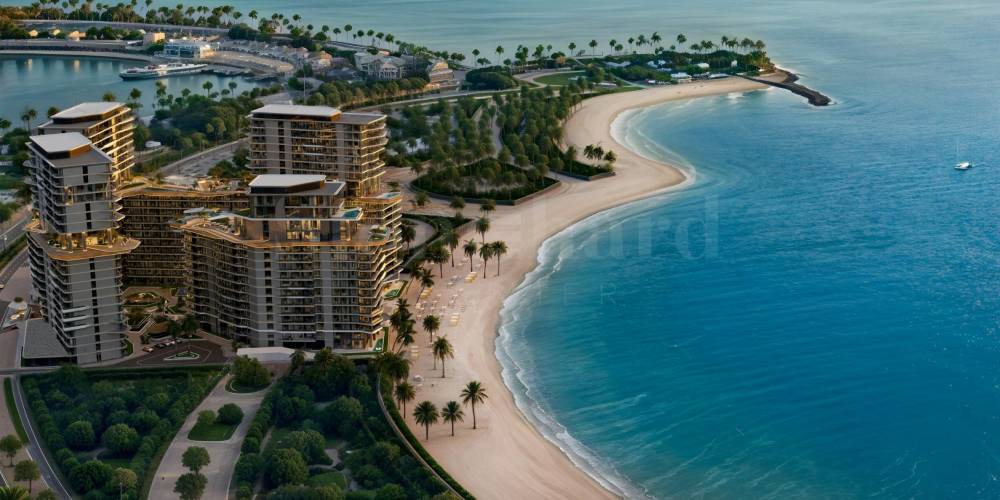
Dubai is among the brightest examples of dynamic and purposeful urban development on a global scale. Alongside establishing itself as a leading tourist destination, the city is also positioning itself as a strategic business hub for the Middle East region. Numerous international companies choose the city to locate their regional headquarters and offices, which stimulates economic growth and creates a favorable environment for attracting highly qualified specialists from around the world.
Despite the challenges of the global economic environment and the geopolitical upheavals in the region currently, the real estate market in Dubai shows resilience. According to some analysts, property prices in Dubai not only remain stable but also have growth potential. It is expected that the flow of wealthy investors, especially from the Middle East and Iran, who are redirecting their funds to Dubai, will continue to support the market while increasing the demand for quality housing. This makes real estate investments in the city particularly attractive, combining security and the opportunity for long-term capital gain.
Behind the large-scale investments in infrastructure, urbanization, and innovation lies a long-term strategic vision for economic sustainability. Recognizing the need to diversify beyond oil revenues, the emirate's administration is taking targeted steps to build an economy based on services, technology, finance, tourism, and real estate.
In this context, the Crown Prince of Dubai, Hamdan bin Mohammed bin Rashid Al Maktoum, initiated the creation of an urban planning committee that developed the strategic framework Dubai 2040 Urban Master Plan. It represents a long-term development strategy for the city, covering a wide range of aspects of the urban environment – from infrastructure modernization and optimization of transport connections to integrating innovative technologies into residents' daily lives. The project aims for sustainable growth, efficient resource use, and improving quality of life, with the ambition for Dubai to become the best city to live in worldwide.
In this article, we will review the main priorities set in the plan and present a selection of residential projects realized in accordance with the latest standards and principles of sustainable construction – factors that are gaining increasing importance for modern investors and end buyers.
-
Sustainable transport
To cope with heavy traffic in the city's hotspots, Dubai is developing projects for more accessible public transport, improving existing infrastructure and expanding it, as well as encouraging citizens to use green transport.
The goal is that by 2040 at least 55% of the population will have access to public transport within 800 meters of their homes. To achieve this, work is currently underway to extend existing metro lines and build new ones, as well as to add new routes to the bus network. An important part of the project is also the construction of new bike lanes where those who prefer this mode of transport will have convenient and safe infrastructure.
-
Security
Dubai is recognized as one of the safest cities in the world. In recent years, the government has implemented a comprehensive strategy to improve public order and security, including modernization of police forces, deployment of intelligent real-time monitoring and analysis systems, as well as large-scale crime prevention programs. Alongside technological innovations, authorities invest in training and professional development of security personnel, creating effective coordination between various agencies and institutions. This proactive approach not only guarantees the peace of residents and visitors but also strengthens the trust of international investors, for whom a stable environment is a key factor when choosing a destination for long-term investments.
-
Expansion of the beach strip
The coastal area occupies a central place in the lifestyle concept in Dubai – not only as a key factor for tourism development but also as an essential element of the daily life of local residents. In this context, efforts are directed both towards the improvement of established areas such as Jebel Ali and Deira, and towards the implementation of large-scale artificial island projects aimed at expanding the beach strip and creating new high-quality residential zones.
Particularly indicative is the progress on the second "palm" – Palm Jebel Ali, where after a temporary slowdown in construction activities during the global pandemic, there is currently intensive development of both road infrastructure and new residential complexes. Projects in the area enjoy extremely high investor interest, with a significant portion of properties sold out already at the pre-sale stage, before construction completion.
Another large-scale coastal project with dynamic development is Dubai Islands, which are gradually establishing themselves as a new focal point for luxury residential and tourist construction. More information about the concept and opportunities offered by the islands can be found in our separate article - Exclusive life on the seashore - why choose Dubai Islands for your home or for an investment with long-term rental returns?
-
Green city
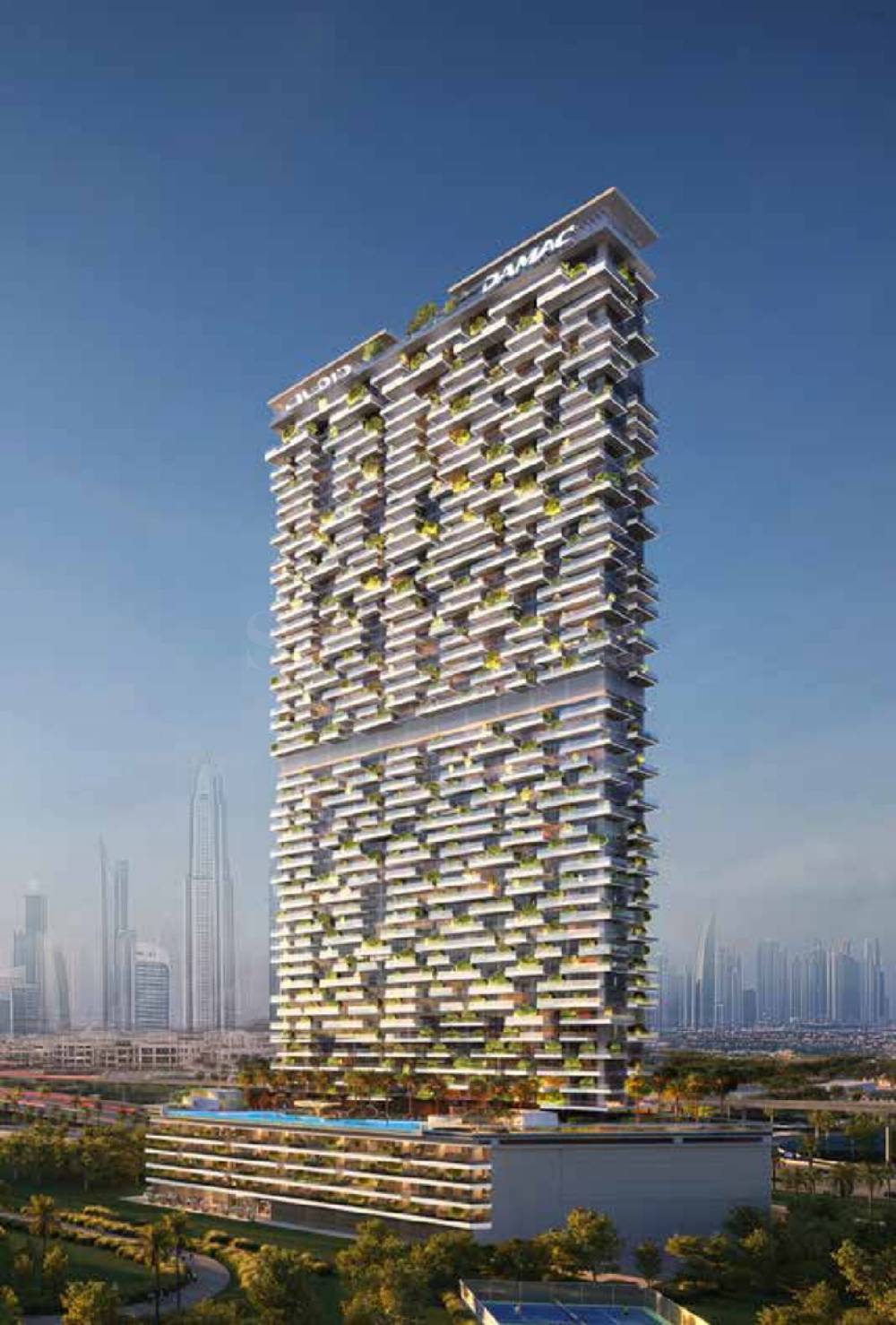
An increasing number of new projects feature large green areas, often located not only in the inner courtyard but also on the building's roof and even on terraces. This is a clear indicator of the direction in which new construction in Dubai is moving, but the plan also includes more extensive changes. By the end of 2040, 13.6 sq.km of new parks and green spaces will be built, while existing ones will also be expanded and maintained to improve the city's microclimate. Other measures are planned to reduce the large ecological footprint produced by a city of this scale, such as reducing harmful emissions from public transport and reusing rainwater. Another step being seriously worked on is the integration of renewable energies, with the goal for Dubai to become a global leader in sustainable urban development. The plan even includes requirements for new buildings to encourage coping with the city's climatic conditions.
-
20 minutes city or "20-minute city"
The concept of a "20-minute city" represents a model of urban planning where the main daily functions – housing, workplace, commercial facilities, health and educational institutions, as well as recreational zones – are located within approximately 20 minutes walking distance. This approach aims to reduce dependence on car transport, optimize residents' time, and improve quality of life through better spatial organization.
One of the brightest examples of the "20-minute city" concept is Dubai Expo City – a large urban project that clearly reflects the Dubai government's ambition to create a new generation urban environment: greener, cleaner, and oriented towards sustainable development.
The area's development began in connection with the international exhibition Expo 2020. For the event's needs, numerous pavilions, exhibition spaces, and infrastructure facilities were built, including a new metro line that facilitates access for visitors and participants to the exhibition complex.
Today, the area continues to develop actively, with the government investing in the construction of new residential complexes and modern infrastructure, aligned with the principles of sustainable and green urban planning. Such government-supported projects enjoy serious interest from investors as they offer a higher degree of security and significant potential for added value.
The automotive giant Mercedez-Benz, in partnership with the investment company Binghatti, also joins the "20-minute city" concept with their remarkable project Mercedes-Benz Places | Binghatti City, which envisions that besides residential units, residents will be able to find within walking distance:
• commercial spaces;
• recreational and entertainment zones;
• public and cultural spaces;
• parks, green alleys, and corridors;
• wellness and sports zones;
• mobility hubs and modern urban infrastructure.
-
Focus on affordable homes
Until recently, Dubai was perceived as a symbol of luxury – a destination associated with a high standard of living and premium segment properties. Such an image, although strategically valuable for positioning the city globally, created a sense of limited accessibility both in terms of the housing market and tourist services.
Within the long-term development vision set in the Dubai 2040 Urban Master Plan, a more balanced supply structure is envisaged. The emphasis is on building housing in the mid and more affordable price segments to attract a broader range of professionals and families to choose Dubai as their permanent residence.
A similar trend is observed in the tourism sector. Alongside iconic luxury hotels, the development of more affordable accommodation categories is planned to meet the diverse budgets and expectations of international visitors. In this way, the city aims to consolidate its position as a global destination offering high-quality services and infrastructure tailored to different socio-economic profiles.
The goal is for the number of tourists in 2040 to reach 964,000 annually – for comparison, in 2019, their number was 640,000. The population is expected to double, with 5.8 million people living in Dubai by 2040, compared to 3.3 million at the last census.
As time progresses, many points of the plan have been fulfilled or already started, and it remains for us to monitor whether Dubai will indeed fulfill its goal to become the best city in the world. If we have managed to spark your curiosity, you can explore our portfolio of projects in Dubai here.
© 2016-2026 Stonehard Marketing Ltd. All rights reserved.
STONEHARD™ and the logo are registered trademarks. All text, graphics and visualization materials on the site are our property or the property of our partners, and are subject to copyright, protected by the Law of the Republic of Bulgaria and the European Union. Their use by third parties is prohibited, except with our express written consent.
This website is operated by Stonehard Marketing Ltd, a company registered in Bulgaria (EU), VAT#BG131254299.
This website aims to present and promote new property development projects under construction, as well as individual units in newly completed buildings or residential complexes offered for sale. While our partners make every effort to ensure that the information provided is accurate and up to date, certain details may change or may not be fully accurate due to the dynamic nature of the new-build property market and ongoing construction processes.
For the most reliable and current information, please refer to official email communication with our partnering local real estate agencies by submitting an enquiry via the contact forms available on each listing. Our local partner agents will provide professional consultations to clients and investors interested in purchasing units in new-build developments or newly built resale properties featured on this website.
Subscribe to our newsletter
Follow us on social networks


Our contacts:
Office address:
Realtons Place
51G Cherni Vrah Boulevard, 7th Floor
Sofia 1407, Bulgaria
Working Hours (Central European Time):
Monday–Friday: 10:00 – 18:00 (CET)
Weekends and Public Holidays: Closed
The experts at Stonehard PREMIER regularly prepare original articles and analyses related to the new construction real estate market and opportunities for profitable investments in this business segment.